


How to control deformation and hardness during heat treatment of large flanges for engineering machinery parts?
Release Time : 2026-01-13
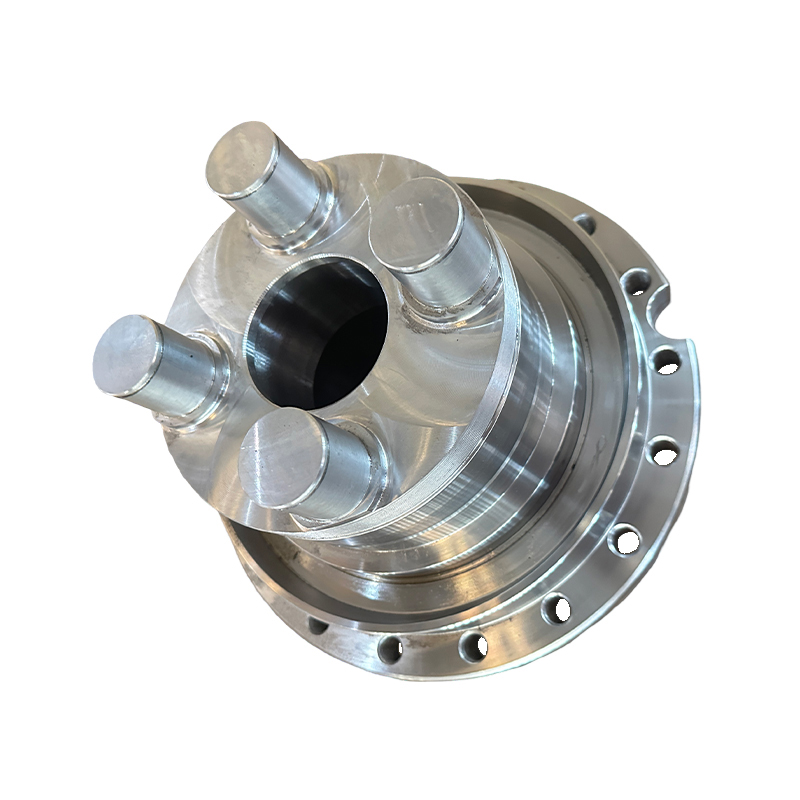
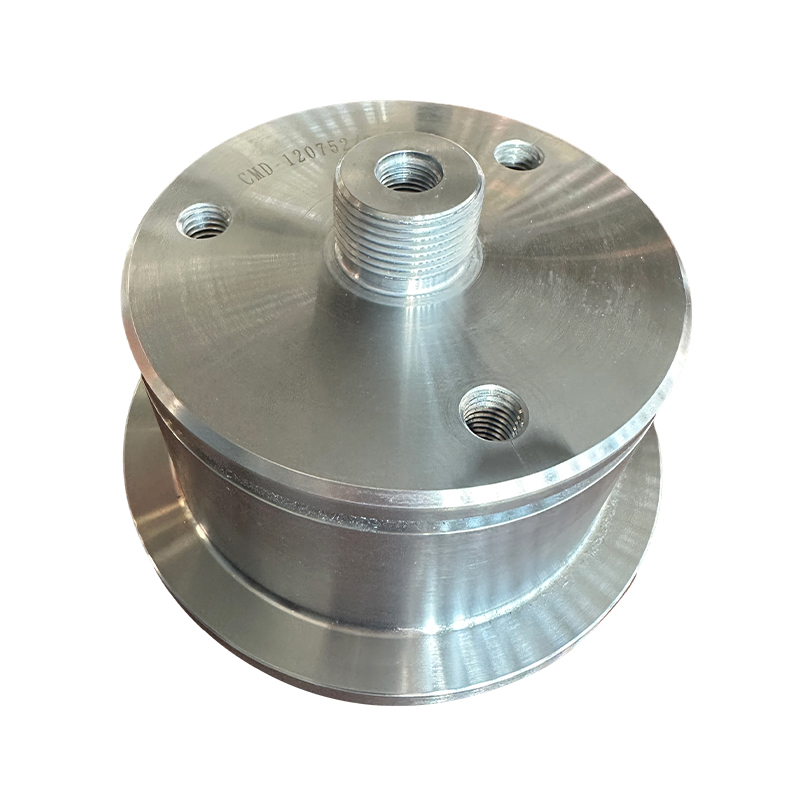
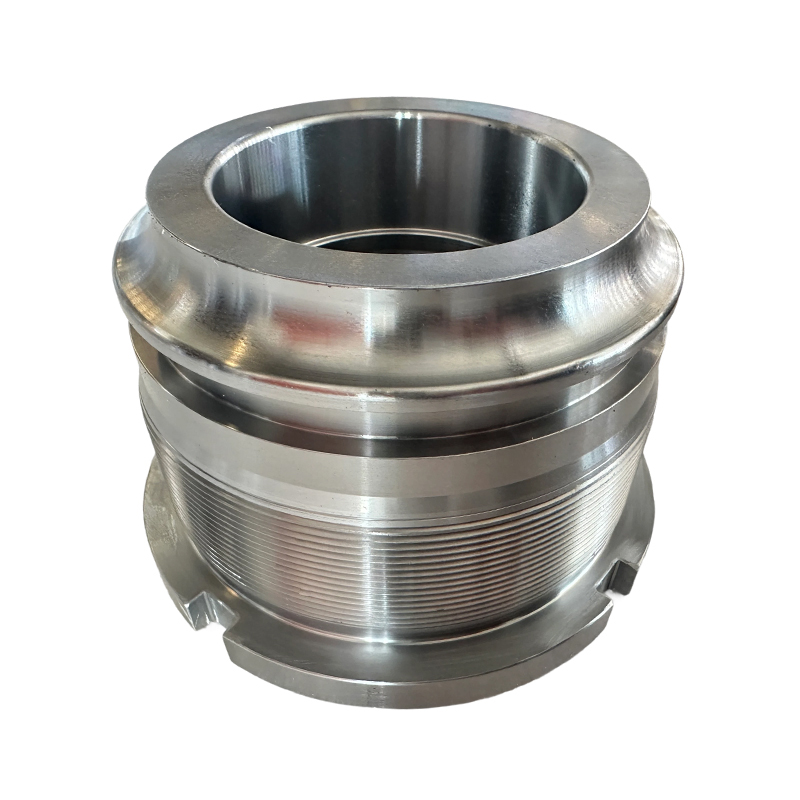
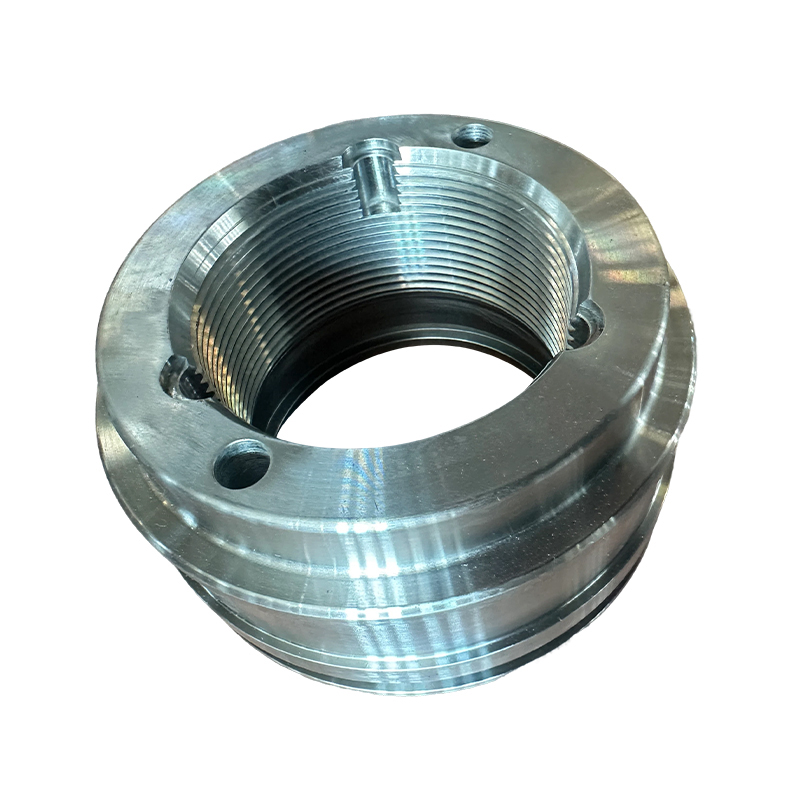
For large flanges used in engineering machinery, controlling deformation and hardness during heat treatment is crucial to ensuring their mechanical properties and service life. The heat treatment process, through stages such as heating, holding, and cooling, alters the internal microstructure of the material, thereby adjusting its hardness, strength, and toughness. However, due to the large size and complex structure of large flanges, deformation is easily caused during heat treatment due to factors such as uneven temperature and stress release, while ensuring uniform hardness is also difficult. Therefore, it is necessary to optimize process design, temperature control, and cooling methods collaboratively to achieve precise control of deformation and hardness.
In the heat treatment process design stage, reasonable heating, holding, and cooling parameters must be formulated based on the material, size, and usage requirements of the large flange. For example, for carbon steel or alloy steel flanges, the heating rate must be slow and uniform to avoid localized overheating leading to uneven microstructure; the holding time needs to be adjusted according to the flange thickness to ensure sufficient austenitization and grain refinement. Furthermore, preheating can eliminate processing stress and reduce the tendency for deformation during final heat treatment. By optimizing process parameters, the risk of deformation can be reduced while ensuring hardness.
Temperature control is the core aspect of heat treatment. The uniformity of temperature within the furnace directly affects the degree of flange deformation. If temperature differences exist between different parts of the flange during heating, thermal stress can lead to bending or twisting deformation. Therefore, heating equipment with good high-temperature uniformity, such as resistance furnaces or gas furnaces, must be used, along with a temperature control system for real-time monitoring and adjustment. Preheating before heating can reduce temperature differences during the heating phase and prevent cracking caused by excessively rapid heating. Furthermore, during the holding phase, it is necessary to ensure a uniform temperature across the entire flange to minimize differences in microstructure transformation.
The choice of cooling method is crucial for hardness and deformation control. Quenching is a key step in improving hardness, but excessively rapid cooling can lead to increased internal stress, causing deformation or cracking. For large flanges, staged quenching or isothermal quenching processes can be used: staged quenching involves first quenching the flange in a low-temperature salt bath, then removing it and air-cooling it to reduce the temperature difference between the surface and the core; isothermal quenching involves quenching the flange in a salt bath below the martensitic transformation temperature and holding it at that temperature for a long time to obtain a bainitic structure, thereby reducing internal stress. Furthermore, hot oil quenching results in less deformation than cold oil quenching due to its more uniform cooling rate and reduced vapor film formation.
Stress release is another major cause of deformation during heat treatment. During heating and cooling, temperature differences between the inner and outer layers of the flange lead to uneven thermal expansion and contraction, generating thermal stress; simultaneously, differences in the time of microstructure transformation induce microstructural stress. To reduce internal stress, a pre-cooling quenching process can be used, i.e., pre-cooling for a period after austenitization to reduce temperature differences between parts before full quenching. In addition, stress-relief annealing before final heat treatment can eliminate network carbides and coarse grains, further reducing the tendency to deform.
Hardness uniformity is a crucial indicator for the heat treatment of large flanges. Uneven hardness distribution can easily lead to localized wear or fatigue failure. To ensure uniform hardness, the cooling capacity of the quenching medium must be controlled to avoid localized excessively rapid or slow cooling due to uneven medium flow. For example, during oil quenching, cooling uniformity can be improved by stirring or adjusting the oil temperature. Furthermore, tempering can eliminate quenching stress and adjust the balance between hardness and toughness. Tempering temperature and time must be precisely controlled according to the flange material and hardness requirements to ensure consistent overall performance.
The correctness of the operating method directly affects the heat treatment result. During quenching, long-shaft flanges should be quenched vertically and moved up and down to promote the expulsion of air bubbles; thin-walled annular flanges should be quenched axially vertically to avoid local soft spots. For flanges with holes or concave surfaces, blind holes and concave surfaces should be quenched with the holes facing upwards to facilitate air bubble expulsion. Furthermore, tempering is necessary promptly after quenching to eliminate deformation stress and stabilize the microstructure. Tempering temperature and time must be adjusted according to the flange thickness and hardness requirements to ensure thorough and uniform tempering.
The heat treatment of large flanges for engineering machinery parts requires comprehensive optimization from multiple aspects, including process design, temperature control, cooling methods, internal stress release, hardness uniformity, and operating methods. Through scientifically reasonable process parameter settings, uniform temperature control, appropriate cooling methods, and strict operating procedures, deformation can be effectively controlled and hardness uniformity can be ensured, thereby improving the mechanical properties and service life of large flanges.